
The Dictator’s Political Self-Justification
My Tender MatadorThis flow follows Augusto Pinochet’s effort to interpret repression as national order even as the opposition and the attack expose the instability of his rule.
increasing Bearing strength in each event
 decreasing
Bearing strength in each eventdecreasingA Country Declared Orderly
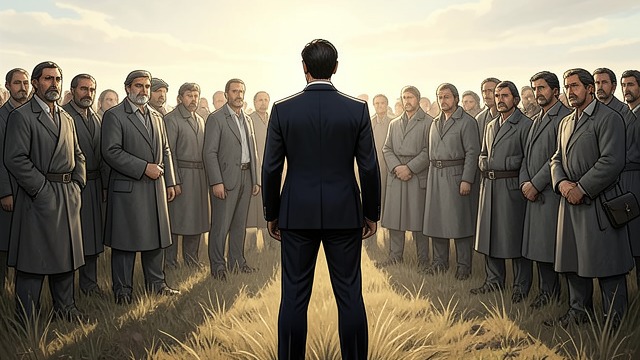
The Official Story
Private Confidence
Augusto Pinochet imagines Chile as a fertile, orderly nation and regards demonstrations as disturbances encouraged by irresponsible opponents. His self-image depends on equating obedience with national health.
The Reality Beyond the Estate
Protests, blackouts, and police violence continue beyond his retreat. The distance between his pastoral vision and the city’s experience makes his confidence politically fragile.
The Opposition in the Streets
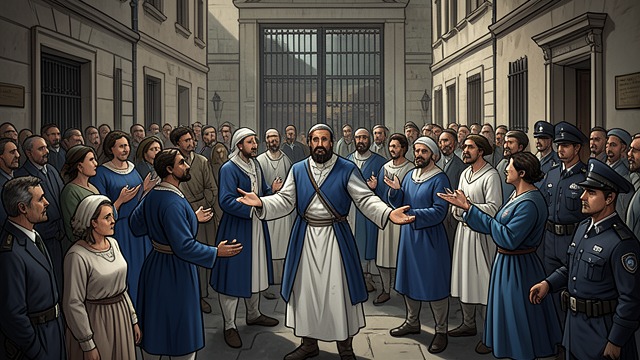
Mobilization and Repression
Repeated Protest
Students and workers return to the streets despite water cannons, tear gas, and arrests. Radio reports make their actions part of daily life even for listeners who try to avoid politics.
A Contest over Public Space
The state answers protest with force, while demonstrations and slogans insist that the government can still be challenged. Neither side can make the conflict disappear, so anticipation builds toward a decisive confrontation.
The Roadside Calculation
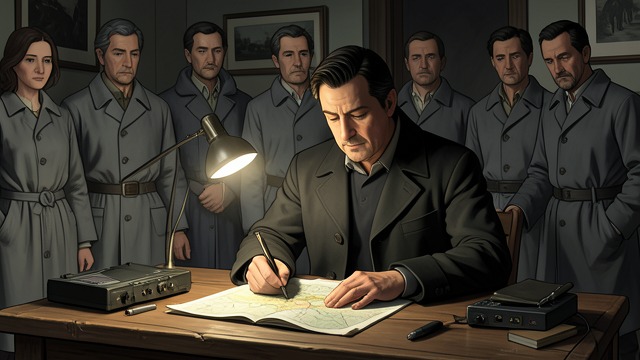
Reconnaissance Against Routine
A Predictable Route
The Front studies the route used by the presidential convoy. The attack depends on turning the ruler’s repeated, protected journey into a vulnerability.
False Security
Augusto Pinochet dismisses the possibility that opponents could strike and rejects the caution of his security personnel. His certainty allows the planned operation to meet a convoy that is less prepared than it appears.
The Convoy Ambush
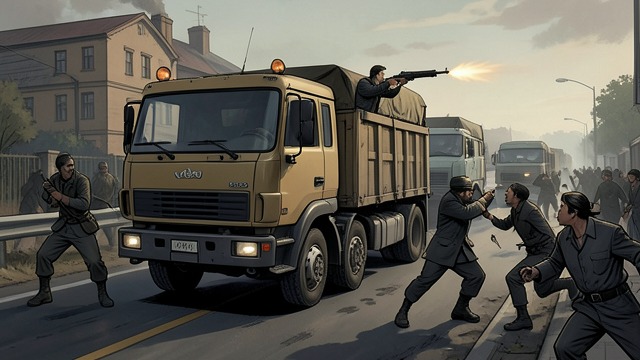
A Sudden Reversal
The Attack Begins
A trailer blocks the road, the vehicles brake, and gunfire erupts against the convoy. A rocket strikes a car as bodyguards scatter and struggle to respond.
The Regime’s Vulnerability
The attack does not remove Augusto Pinochet, but it shatters the assumption that his security is invulnerable. The confrontation becomes the sharpest physical expression of the political conflict built throughout the story.
The Crackdown Afterward
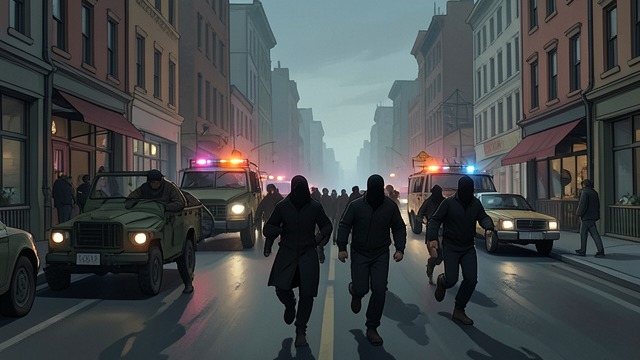
Control by Siege
Searches Across Santiago
Authorities impose a citywide military lockdown, search homes and vehicles, and detain people amid rumors and confusion. The failed attempt on the ruler’s life intensifies repression against the population.
Resistance Under Pressure
The Front’s members escape, while ordinary residents face suspicion and coercion. The state’s display of force does not resolve the conflict; it spreads the danger into neighborhoods and private homes.
During the spring 1986 countryside retreat
In the weeks leading up to September 1986
Before September 11, 1986, during preparations for the ambush
September 11, 1986, shortly after seven in the evening
Night of September 11, 1986
